Visit a Design Center
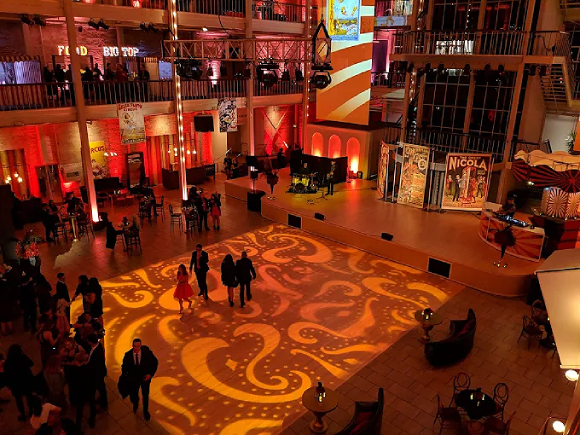
Have you ever gone to a design center? It’s a large building or group of buildings where you can find furniture and fabric showrooms for the interior design industry. Most metropolitan cities have one.
You should visit a design center for your next renovation or home design project, WITH your interior designer. (And if you don’t have a designer yet, I’d be happy to help.) Here’s why.
Access
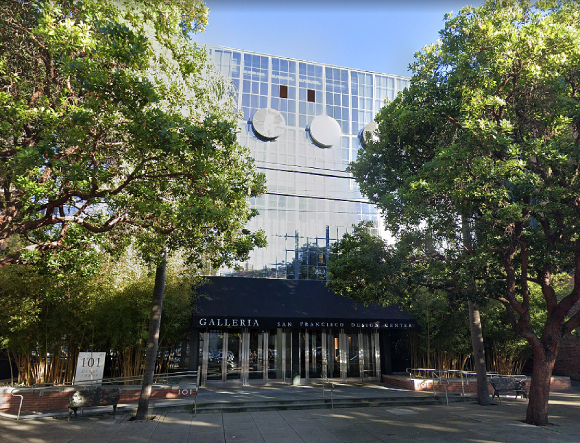
Some design centers are only open to interior designers with registered businesses, including a resale tax permit. This means that the general public can’t enter without an interior designer. Other design centers are dual access for both professional designers and the general public.
Pricing
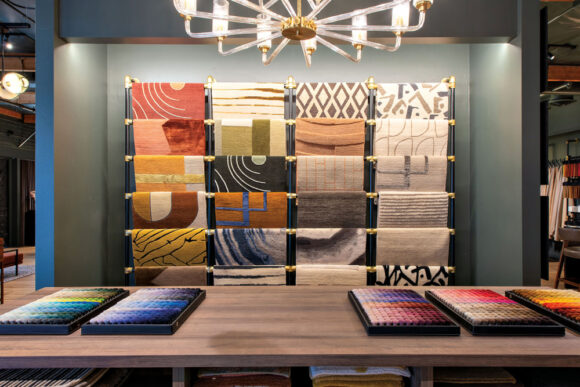
Dual access design centers will protect the designer’s markup by obscuring the pricing with codes. This means you won’t be able to know what the price of something is at first glance. You’ll need your designer to interpret for you!
Some designers will charge a flat fee for shopping on your behalf, and pass along any discounts they receive. Others will charge a percentage of the total cost, and retain the markup difference. There are other combinations and pricing methods as well.
There’s no wrong way to handle pricing, just make sure you understand what YOUR designer will do, so there’s no misunderstandings.
Lead Times

The prevalence of online and onsite furniture companies that stock their items in a nearby or attached warehouse has reduced the public’s expectation of the amount of lead time required.
It’s important to know that when you’re placing an order for custom furniture, the time from when you place the order to when you receive the order can be quite lengthy, from multiple months to a year or more. This depends on where the company is located, where they source their materials, whether you’re using stock fabric or COM (customer’s own material), and how they ship and deliver.
You’ll want your designer to confirm what the expected lead times are when researching and especially when placing orders. Knowing what order in which to receive items is also key. You won’t want furniture to arrive before the new flooring!
Terminology
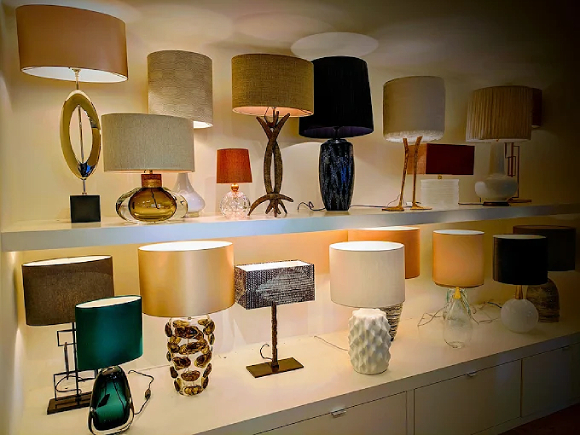
COMs, COLs, memos, and FF&E are terminology designers use on an everyday basis. COM is the customer’s own material, meaning the customer or designer selects and provides a fabric not offered with the item you’re purchasing. COL is customer’s own leather, a memo is a fabric sample, and FF&E is furniture, fixtures, and equipment.
As a designer, I have years of experience not only with terminology, but also reading and drawing plans and elevations. We don’t call them blueprints anymore because they’re not printed on blue repro paper!
Plans can be delivered electronically, and even include a video component in some cases. I draw floor plans, get your approval, and communicate with the contractors directly, so everything will be installed correctly and you can enjoy your new space stress-free.
If you have questions about the design process, how to shop at a design center, or terminology that’s confounding you, get in touch! I’m happy to help.
Kimball Starr designs beautiful homes throughout the San Francisco Bay Area and Lake Tahoe. Contact her today for a remote or in-person consultation.