Over the years I’ve had the pleasure of working with many wonderful clients. There’s definitely a way to be good at it! Here’s how to have a successful collaboration with an interior design professional.
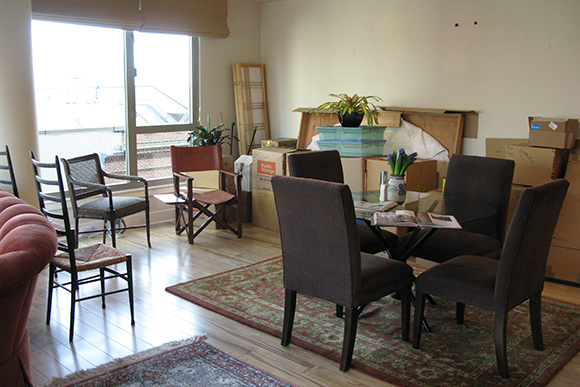
You may not know exactly what you want yet, or even what you don’t want, but it’s important to give me a place to start the conversation. Bring photos of rooms you love, designs you hate, colors that make you happy, and spaces that might work for you, with a little tweaking. Houzz is a great place to find and collect those photos, like 21st century clippings. Tearing pages out of magazines still works, too!
Prepare for Meetings
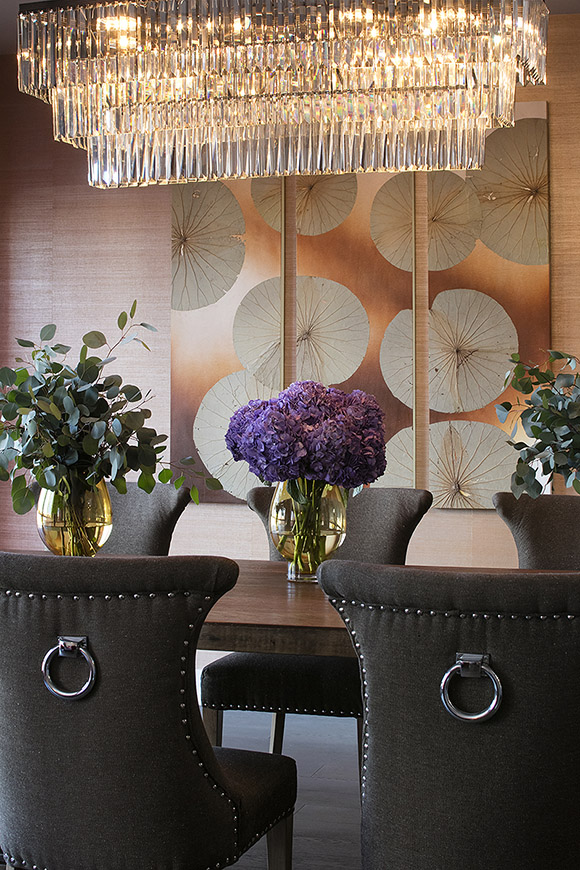
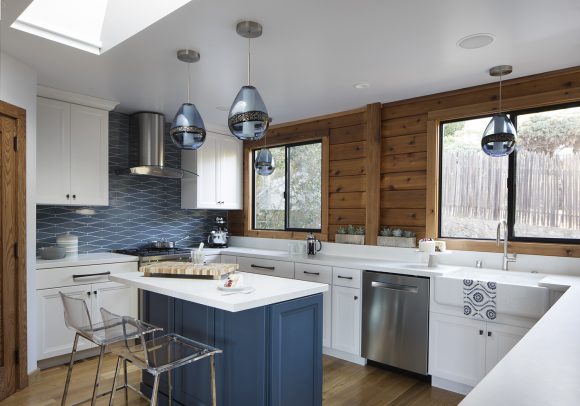
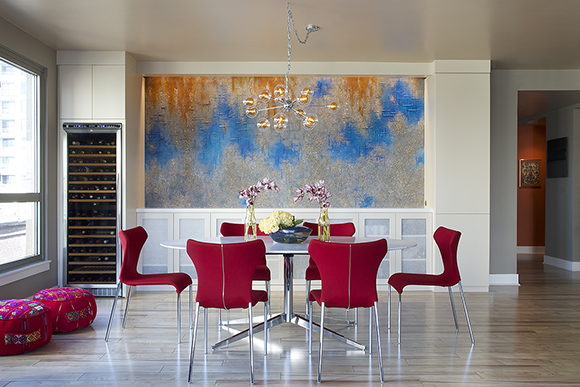
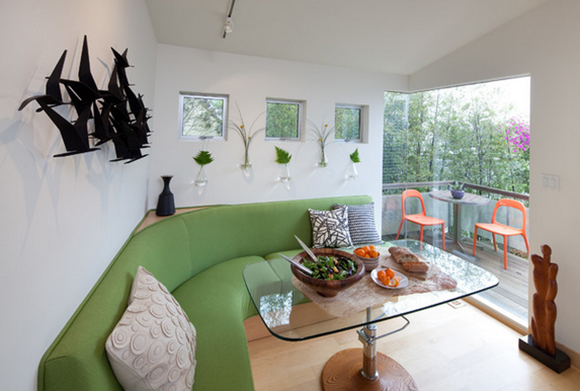
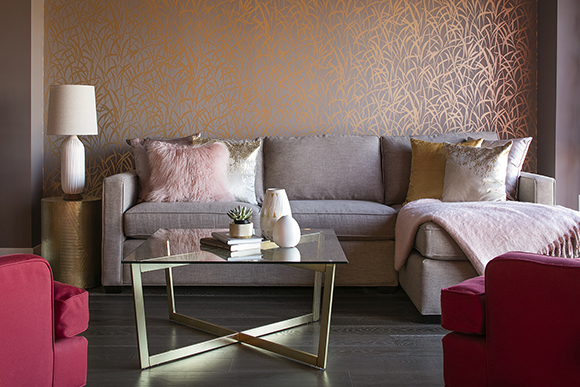
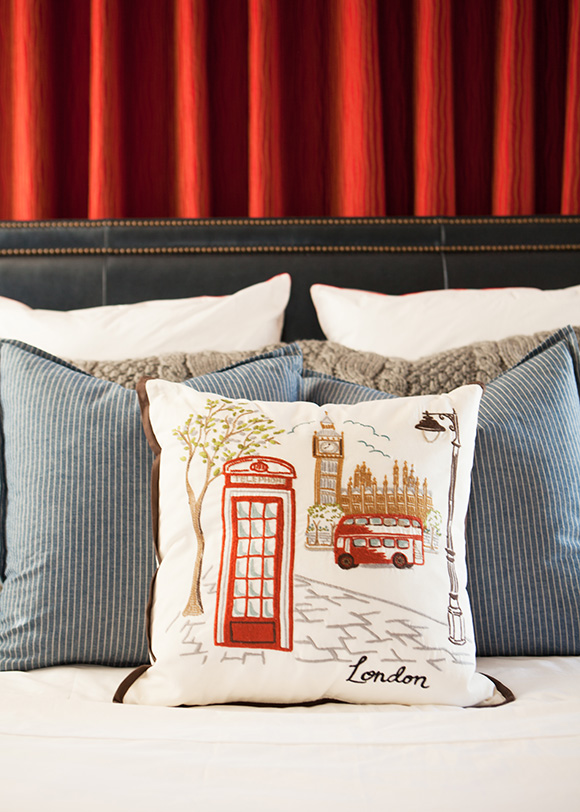
Design by Kimball Starr / photo by Eric Rorer
If I’ve asked you to choose between floor tiles, or discuss color schemes with your partner, please come to the meeting prepared with feedback on those items. It will save delays, which means it will cost you less for your customized designs.
Be Open-Minded
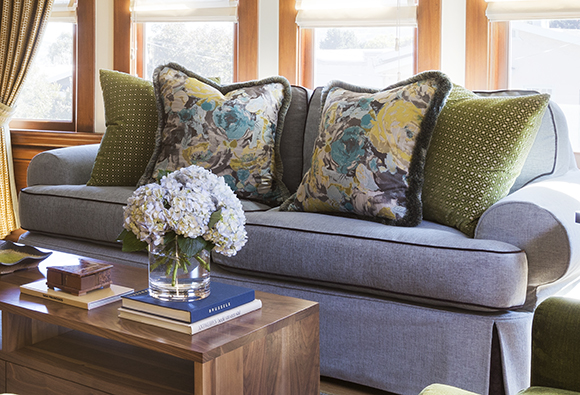
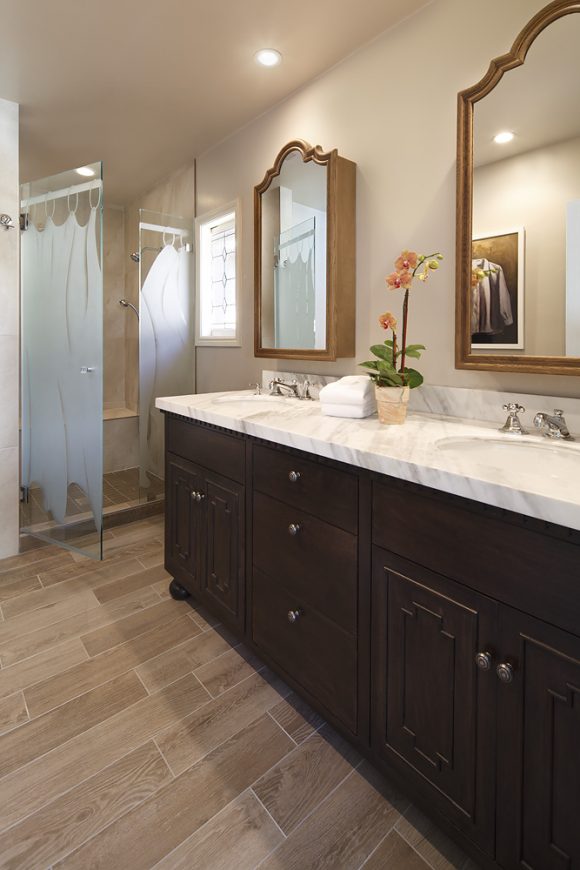
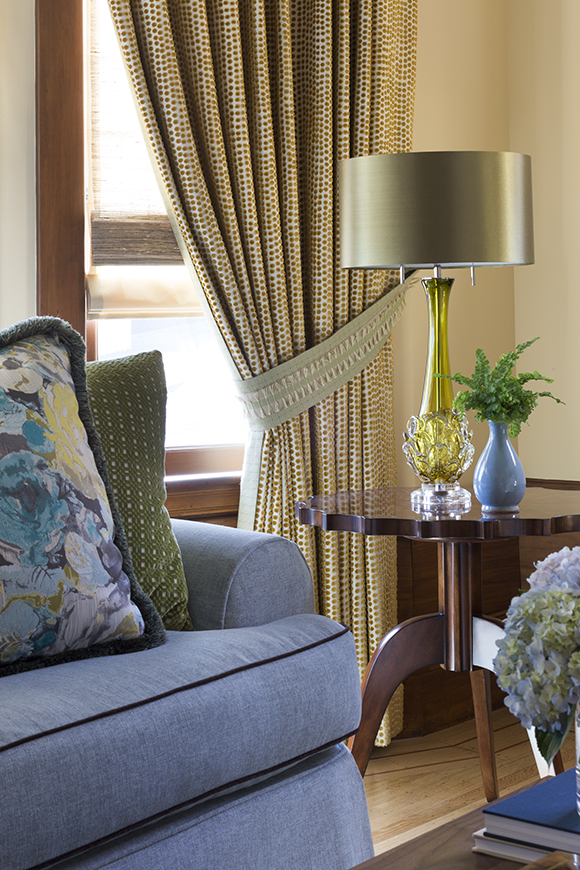
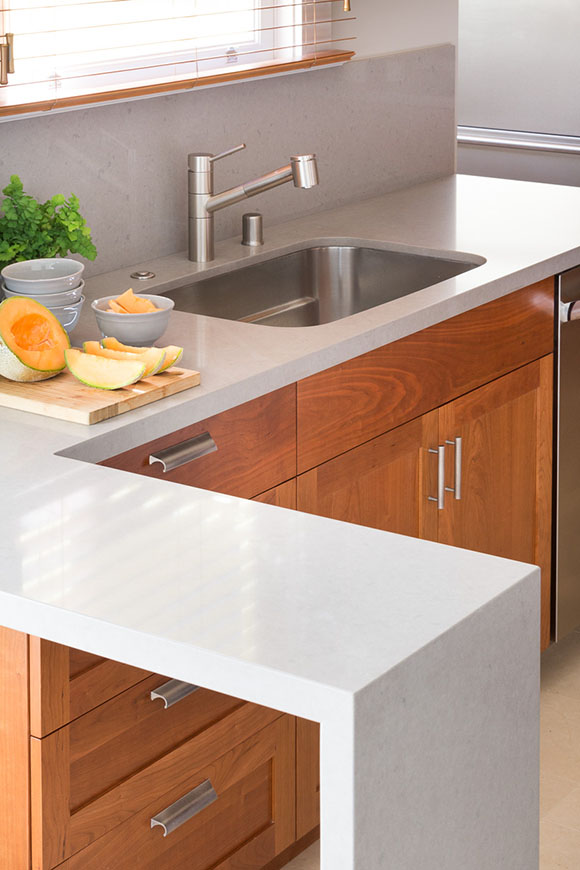
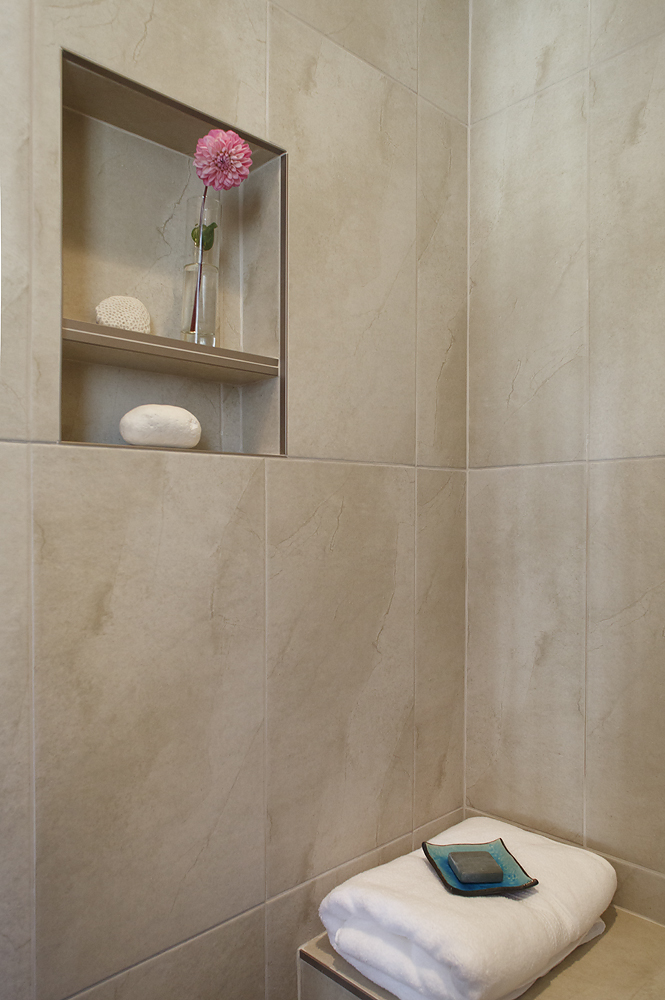
Design by Kimball Starr / photo by Eric Rorer
I have a lot of experience in both envisioning change, and seeing it become reality. I understand people and their lifestyle needs, and can understand yours as well, after getting to know you. I may make suggestions that seem scary or off the mark to you at first, but I promise I have a good reason for proposing them. Try to be open to these ideas, and you’ll be pleasantly surprised! And, if something really doesn’t work for you, we’ll change it. It’s all about communicating and collaborating together to create YOUR home, after all.
Practice Good CommunicationSkills
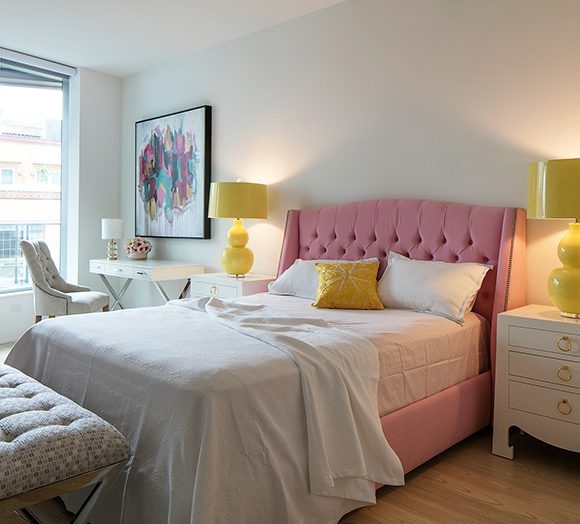
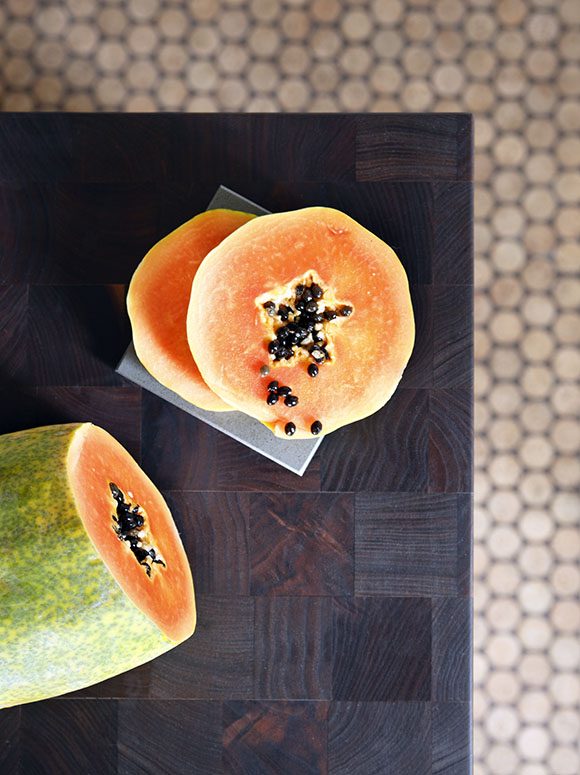
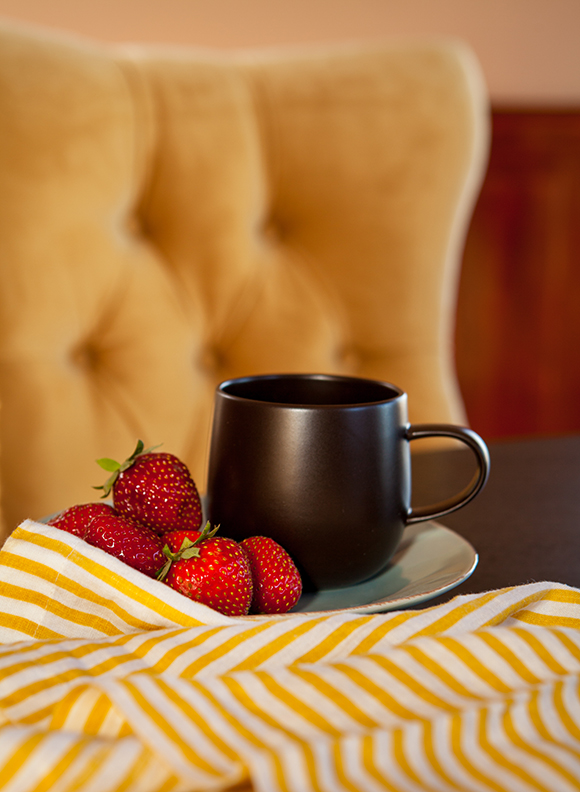
Design by Kimball Starr / photo by Eric Rorer
If you don’t like something, please don’t be concerned you’ll offend me — tell me! Honest feedback is the only way we’ll arrive at the perfect space for you. I’ll listen and ask questions to make sure I understand, which can be helped by being clear and upfront with your opinions.
Bring All Stakeholders
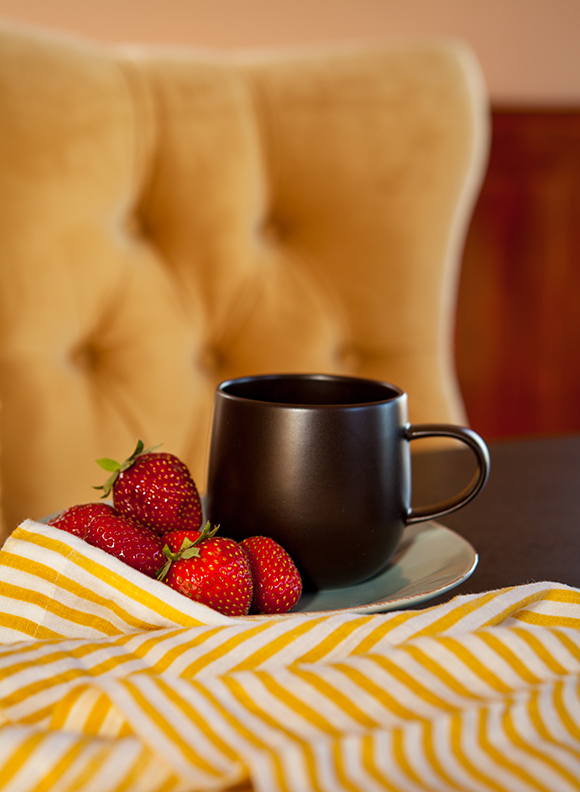
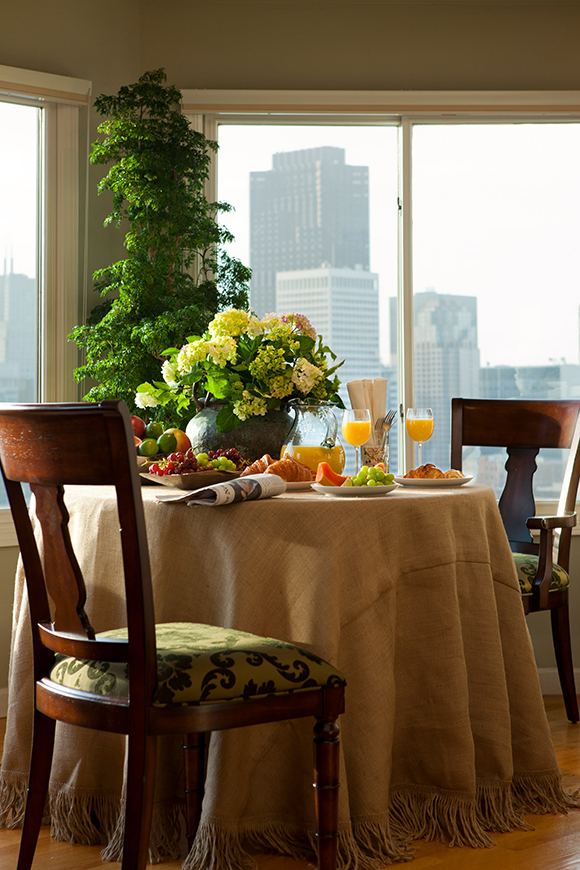
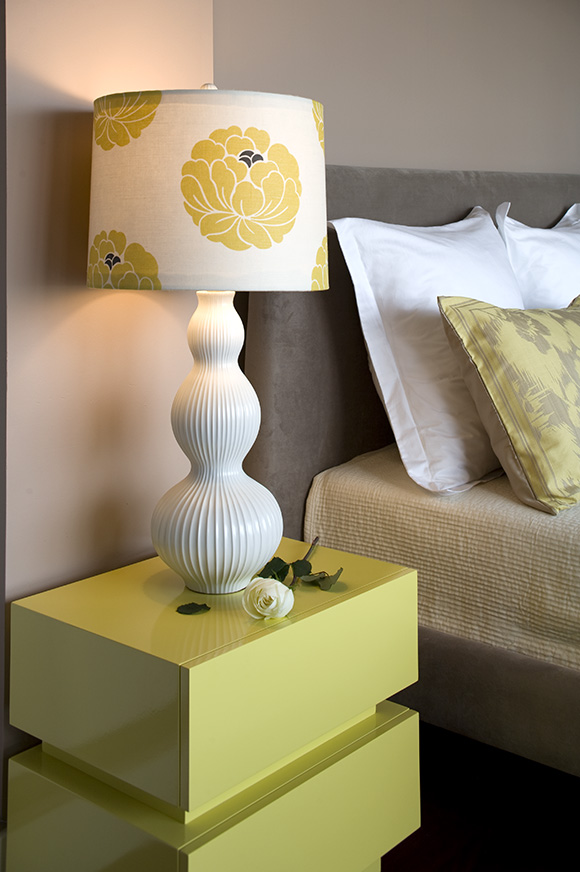
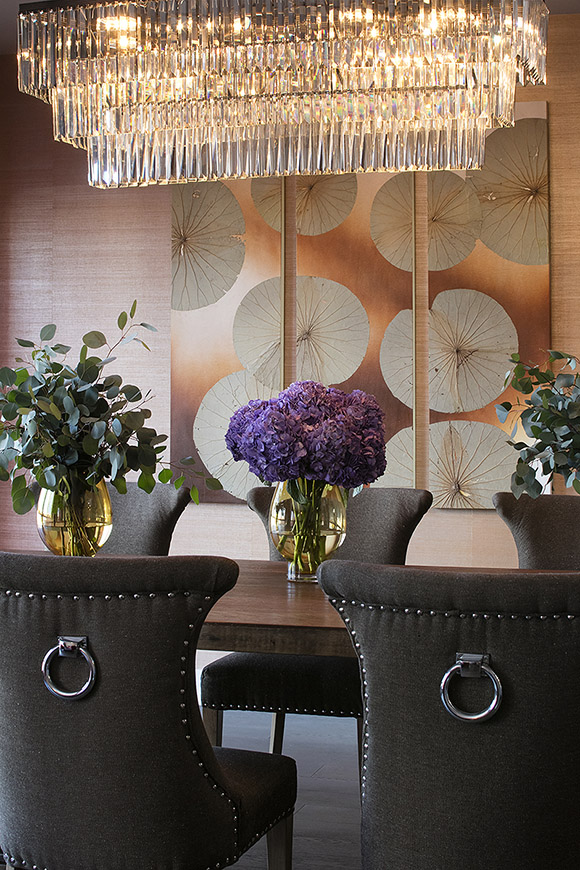
Design by Kimball Starr / photo by Eric Rorer
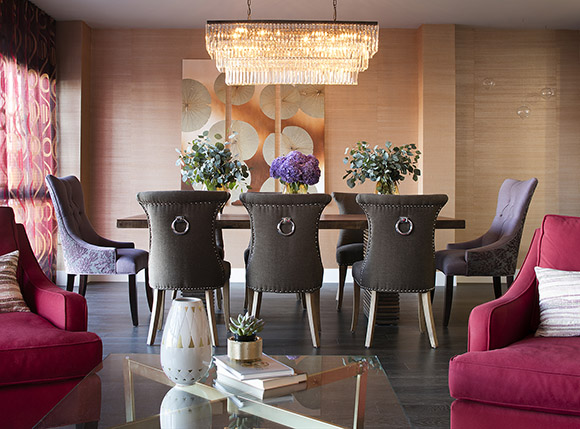
If you want your partner or family members to be part of the decision-making process, by all means, bring them along! Nothing causes more delays than “I just need to check this with my spouse, who isn’t here today.” As you know, delays = higher cost, and potentially not having your dining room ready for the holidays.
Be Decisive
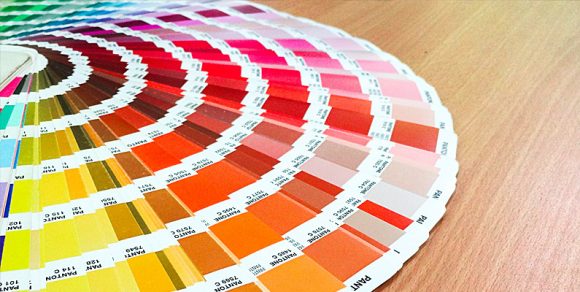
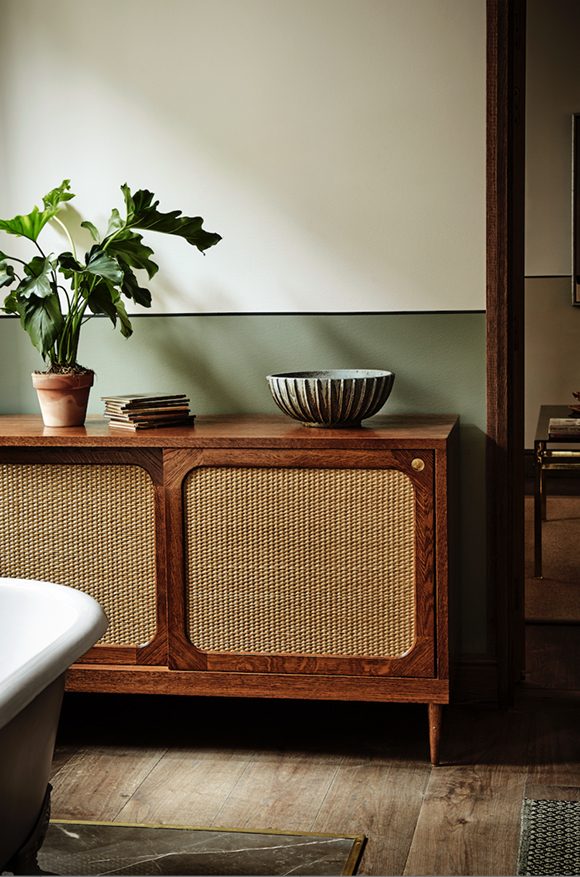
Image courtesy KJL Paints
While I know it can be difficult to make choices, in the end, you’re the only one who can do it, so find a decision-making process that works for you. Whether that’s putting paint colors on the wall to see how they look at different times of day, or having a pillow made in the proposed fabric so you can live with it for a couple weeks before committing to a full sofa, or asking your friends for their impressions, there’s no wrong way to arrive at the right answer for YOU. Be decisive and tell me your thoughts, so I can give you the best possible professional advice, and create the home of your dreams.
Design by Kimball Starr / photo by Eric Rorer
If you want an experienced designer, look no further than Kimball Starr Interior Design! She creates homes beloved across the San Francisco Bay Area and Lake Tahoe areas. Contact her today for a socially-distanced in-person or remote consultation!
As a designer, I’ve created a multitude of of built-in features, from window seats, to bookshelves, and even clever hidden storage elements. Today I’m sharing three of my favorite built-in residential features, before and after.
Beautiful Bookshelves
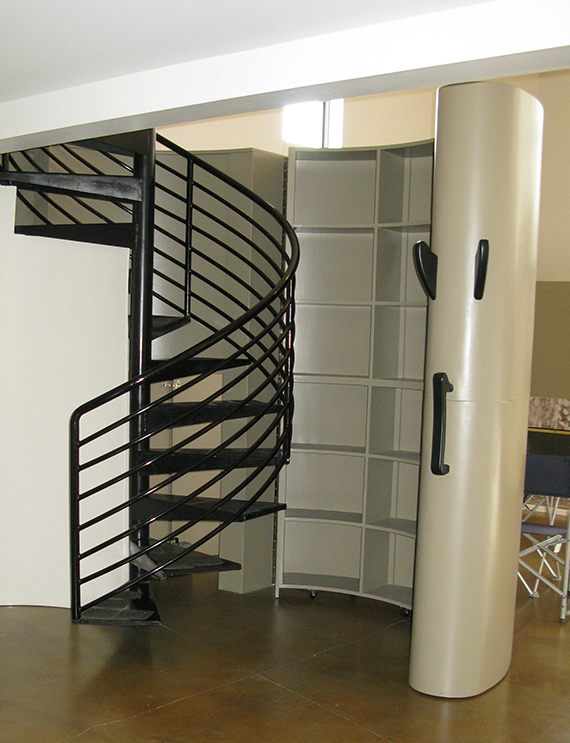
BEFORE
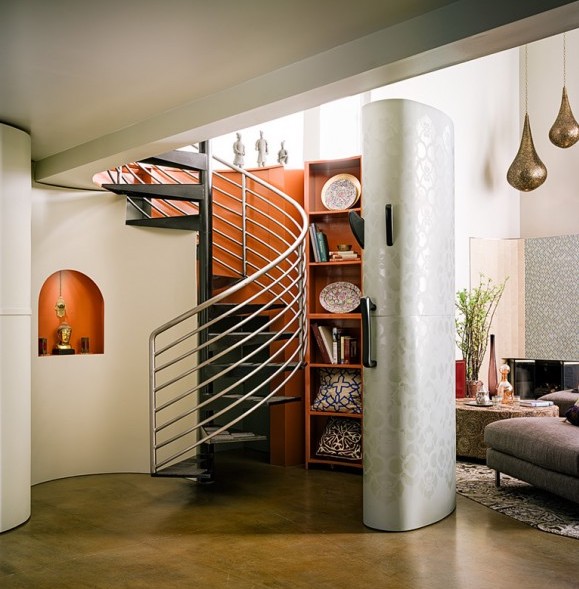
In this San Francisco loft, space is at a premium. My client wanted something cool and stylish, so I delivered the unexpected in this rolling bookcase that wraps around the circular stairs.
AFTER Design by Kimball Starr / Photo by Eric Rorer
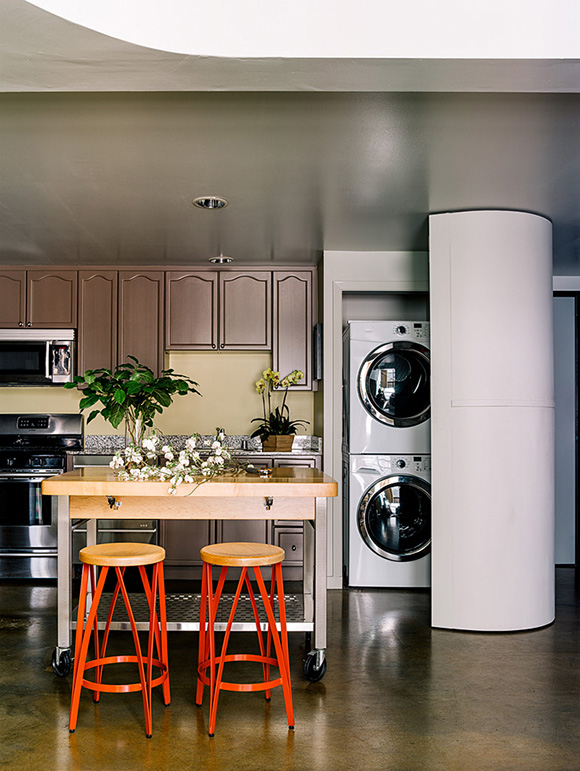
Now with a splash of orange inside the shelves, repeated in the alcove just outside, and a modern finish on the exterior of the sliding case and handrails, this built-in is sure to impress when revealed. The shape and movement are repeated in the hidden washer/dryer unit in our introductory photo of the loft’s kitchen, at top.
Window Seating Wow
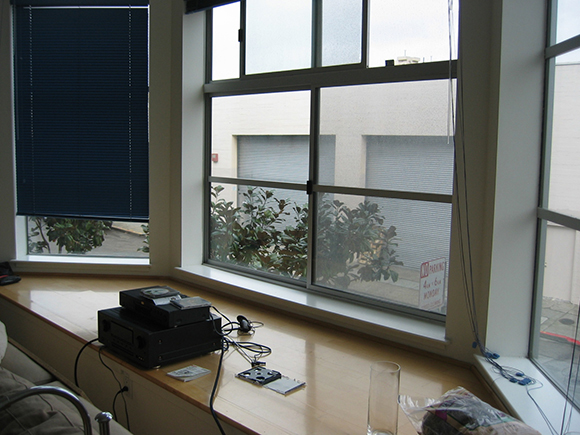
In another client’s Bay Area condo, an underused window space felt unloved and empty.
BEFOREAFTER Design by Kimball Starr / Photo by Eric Rorer
With my redesign, now it’s a welcoming, comfortable window seat that can be used to read the morning paper, admire the view, or relax after a long day. The double-height of the window inspires star-gazing and cloud-watching!
Custom Storage Wall and Desk
This urban couple needed storage and organization to tame their newly-combined belongings.
BEFOREAFTER Design by Kimball Starr / Photo by Eric Rorer
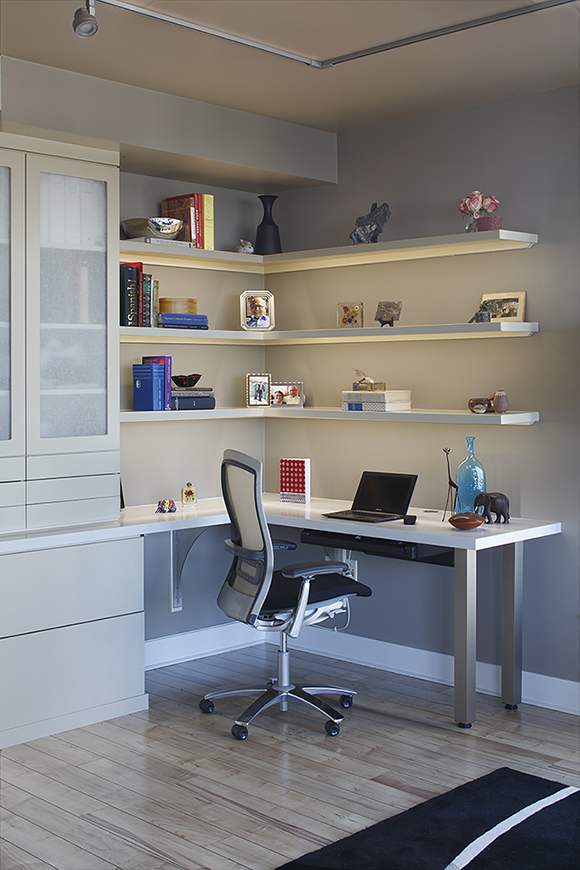
And for that special touch, we built a custom corner desk that makes paying bills and writing letters a delight, surrounded by photos and happy memories.
AFTER Design by Kimball Starr / Photo by Eric Rorer
Kimball Starr Interior Design creates inspired built-ins and custom cabinetry for homes throughout the San Francisco Bay Area and Nevada. Contact her today for a consultation by phone, video chat or in-person with social distancing!
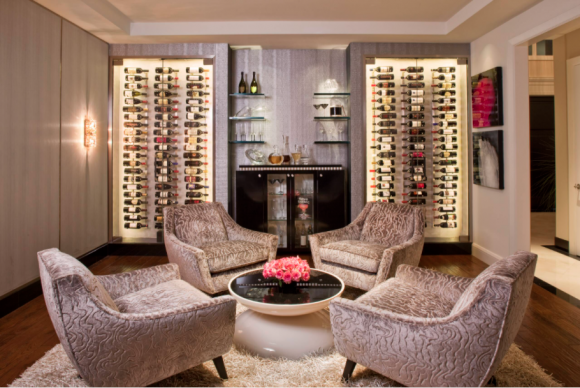
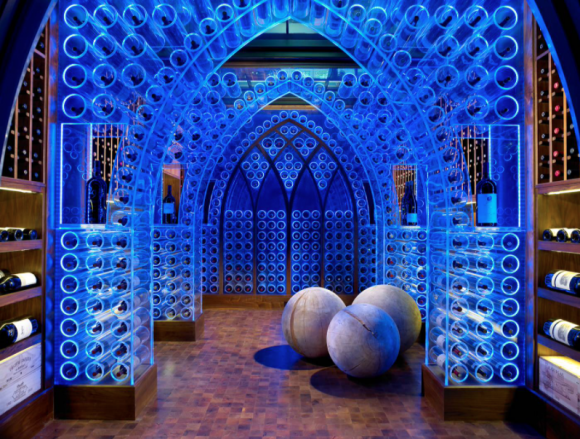
Are you a wine aficionado? Do you have bottles tucked into cabinets and boxes all over your house? Would you love to see your collection organized and beautifully displayed? Then read on!
Interiors by SFA Design / Photo by Meghan Bierle-O’Brien
Wine is perishable, so wine storage is crucial in maintaining its delicate bouquet and flavors. If you have the luxury of building a wine cellar, by all means, do that! However, lots of people in the San Francisco Bay Area don’t have the space or ability to dig. If that’s you, create the perfect environment right in your home by following these pointers.
Lighting Design
Design by Beckwith Interiors / Photo by Kim Sargent
Ultraviolet light hurts wine, especially those in light-colored or clear glass bottles, so store your wine away from direct sunlight. Also avoid fluorescent lighting, which can give off ultraviolet light that our eyes can’t see. LED lights are preferable because they don’t heat up like traditional tungsten bulbs, plus you have many beautiful color options. Installing a timer will turn the lights off if you forget when you leave the space, and give you added sustainability points for saving energy.
Temperature and Humidity Control
Photo courtesy John West Stoddard and Associates
Heat and humidity will change the notes of your wine. If you intend to store the wine for longer term, temperatures of 40° to 65°F (4° to 18°C) are recommended. White wines benefit from cool temperatures because the fruity character — known as esters — disappear more rapidly when warm. You can allow wines to rest at room temperature if you want to consume them right away, but if there’s any doubt, go for a refrigerated or cooled space, and make sure there’s a humidity meter also.
Clever Rack Storage
Design by Brandon Architects Inc / Photo by Jeri Koegel
The angle at which a bottle of wine is stored is important.
Fortified wines and sparkling wines should be stored upright. However, most
bottles should be stored on their side, to keep the cork seal fresh.
Dampen small vibrations and sway from urban traffic with a
wooden rack, anchored to the wall. Woods like mahogany, redwood, maple, and beech
are good choices for wine racks because they respond well to a cool, moist
environment. These woods also don’t off-gas negative odor that may be absorbed
into the bottle as the wine ages.
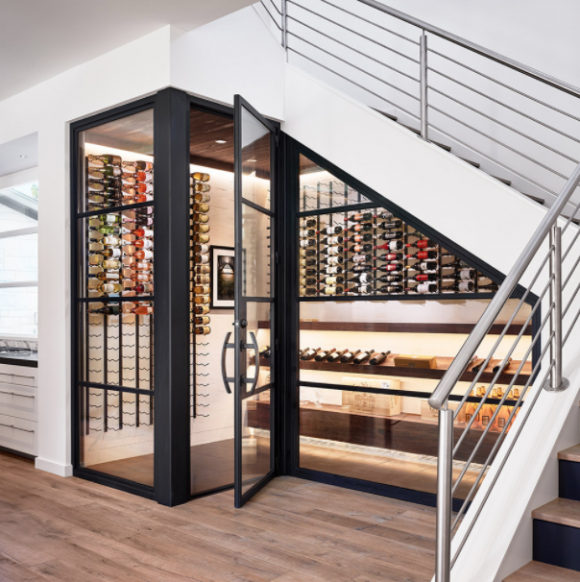
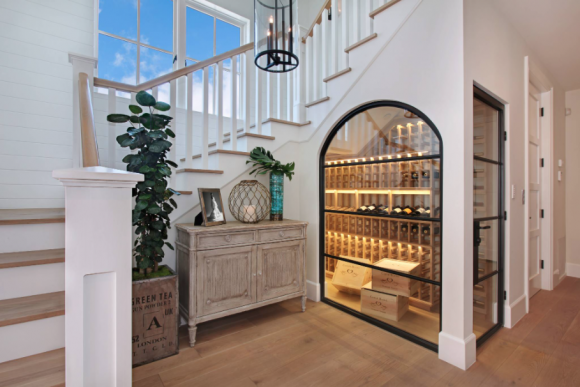
Finding a place for your wine storage might be a challenge. Under the stairs is a clever solution! In the kitchen, undercounter space might also be suitable, or in a walk-in pantry. You could also modify a built-in bookshelf.
Beauty and Convenience
BEFOREAFTER Design by Kimball Starr / Photo by Eric Rorer
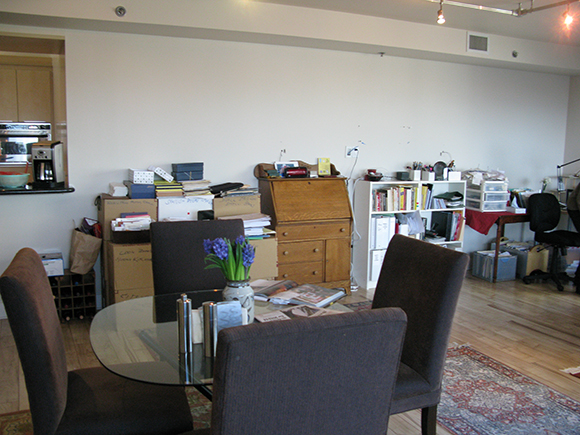
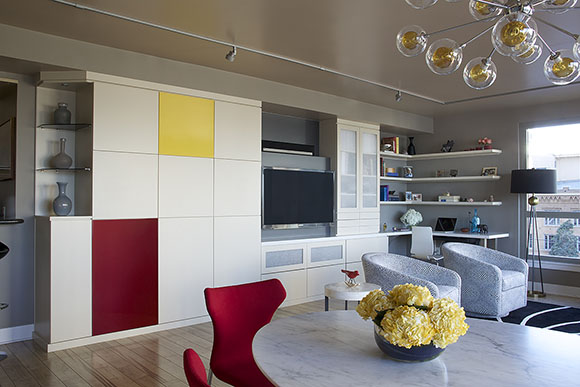
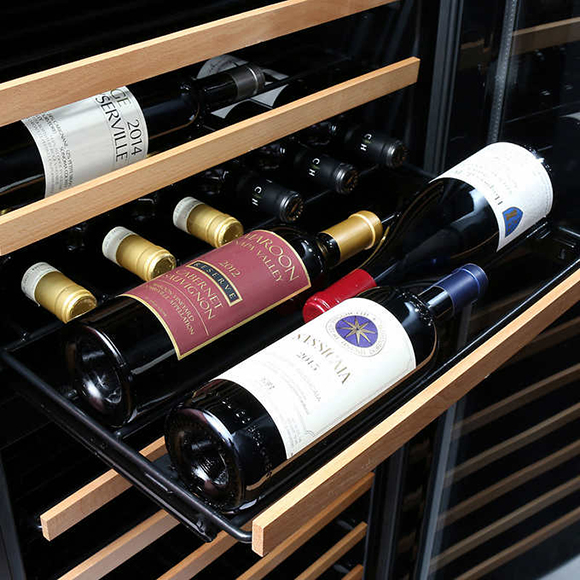
Above is a before-and-after wine storage solution we created in a San Francisco condo’s open plan dining area. The owners wanted something contemporary and sleek, while still welcoming and convenient. We sunk the wine storage into the wall for a clean look, with slide-out racks. Beside it, a built-in credenza makes it easy to serve a flight of wines for tasting, with hors d’oeuvres. Above that, custom artwork ties in colors from their beloved vacation destination of Guatemala, so our retired couple can enjoy a glass of wine and share happy memories for many years to come.
Kimball Starr Interior Design creates wine storage in homes throughout the San Francisco Bay Area and Nevada, and she can for you, too. Contact her today for a consultation by phone, video chat or in-person with social distancing!
In a quarantine world, we’ve been spending a lot more days indoors. This gives some people time to return to traditional handicrafts like knitting, sewing, and woodworking. Now there’s a resurgence of hand-made products and goods with a handcrafted feel for your home and health. Let’s take a look at this re-emerging trend.
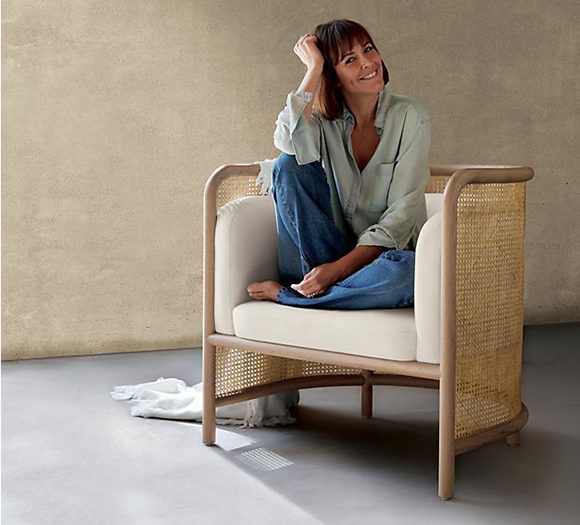
Photo courtesy lind+almond
Furniture with Woven Finishes
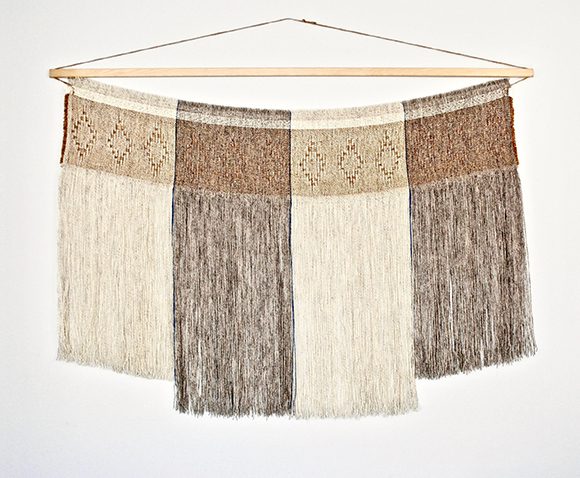
Furniture and goods for the home and office are appearing in the marketplace with an emphasis on woven and textural finishes. Materials like cane, rattan, wool, and bamboo are being used to creating a comforting, cozy yet still stylish environment.
Photo courtesy Crate and BarrelPhoto courtesy Maria Sigma
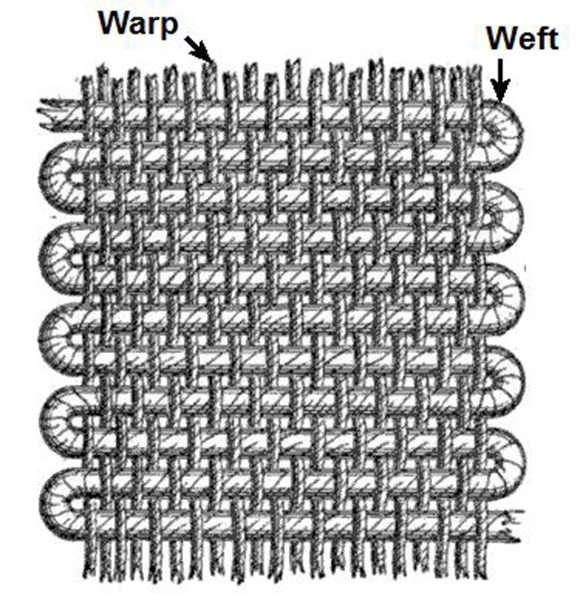
Warp and Weft Fabrics
Warp and weft refers to the pattern of threads used to
create fabrics. Warp runs vertically and weft runs horizontally. Patterns such
as checks, gingham, tartan and stripes show off warp and weft to full
advantage.
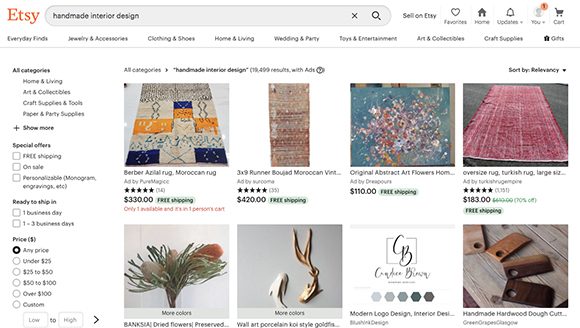
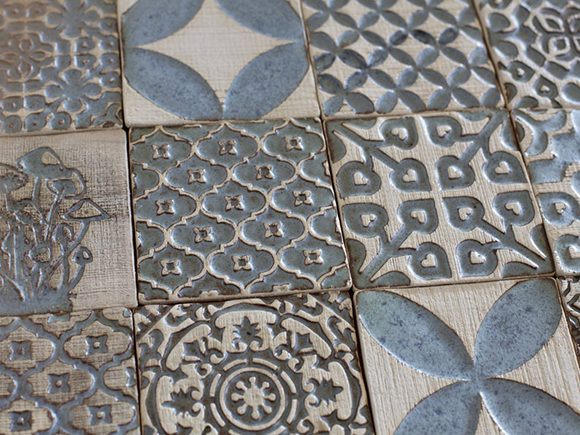
One of the best places to find hand-made home goods is on Etsy.com. There you’ll discover handcrafted rugs, ceramics, tiles, table-runners, placemats, oil paintings and art, décor of all kinds. Even better, you’re frequently purchasing these items direct from the artist or craftsperson, helping to support small businesses in these crazy Coronavirus times. Don’t forget to pick up some handmade face masks while you’re there!
Photo courtesy Etsy.com user Herbarium Ceramics
Dream about a hand-crafted interior design in YOUR home? Kimball Starr is available for consultations by phone, video chat, or in person with social distancing, so get in touch!
I’ve been fascinated by dollhouses and miniatures for years. Tiny houses are like dollhouses in real life!
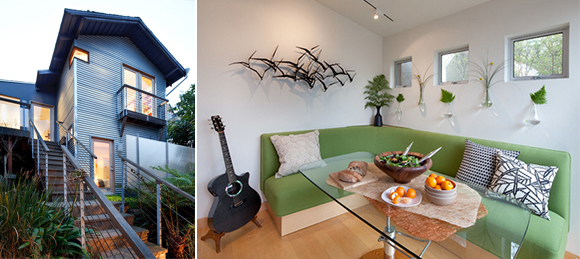
Above is my own tiny house project, a San Francisco condo of just 596 square feet with multiple custom furniture designs like a storage banquette and adjustable-height glass table. You can read more about that project on Houzz.com
Right now, let me introduce you to three of my favorite creators from around the web, to inspire your tiny house dreams!
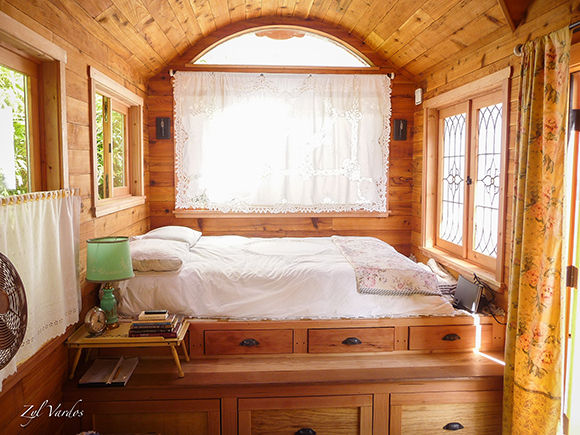
Photo of Little Bird House interior courtesy zylvardos.com
Zyl Vardos
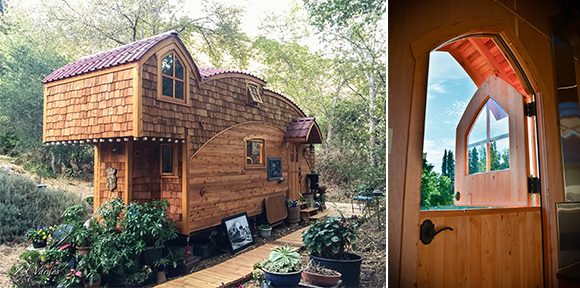
Want something unique, traditionally crafted, yet engineered in a forward-thinking way? Zyl Vardos’ beautiful, flowing forms display elements inspired by woodland fairies, cathedrals, and the traveling circus.
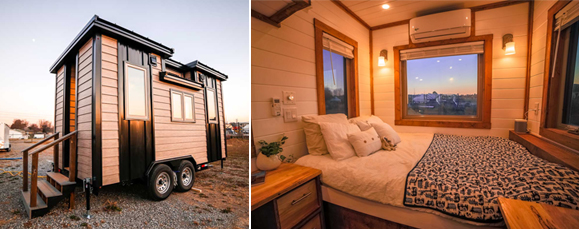
Photo of Moon Dragon House courtesy zylvardos.comPhoto of Bryce Langston courtesy livingbiginatinyhouse.com
Living Big in a Tiny House
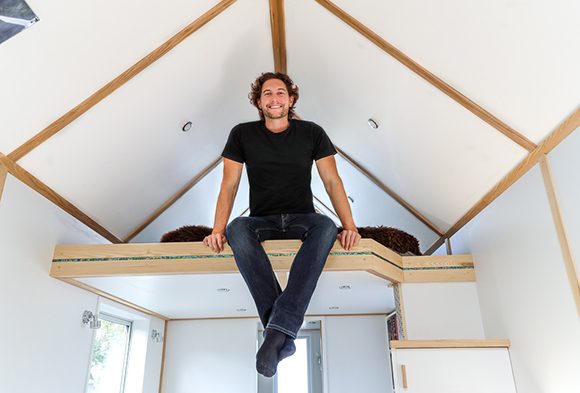
Captivating videos of tiny houses, tree houses and more! Presenter Bryce Langston is a New Zealand-based environmentalist who travels the globe exploring the small housing movement as creator and host of the popular online web series Living Big in a Tiny House. This project is one he built himself, in cooperation with Tiny House Chattanooga.
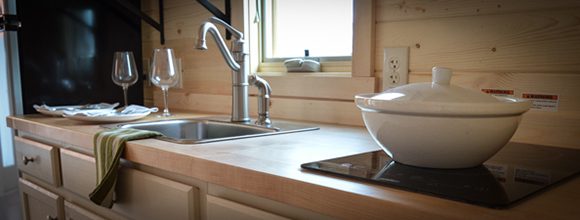
Photos of Little Zen Tiny House USA courtesy livingbiginatinyhouse.comPhoto courtesy tumbleweedhouses.com
Tumbleweed Tiny House Company
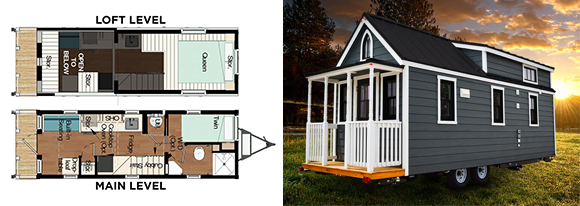
Founded in 1999 by Jay Shafer, known as the father of the modern tiny house movement, Tumbleweed Tiny House Company’s website features floor plans, 3D models, a lifestyle blog, and more. Choose your floor plan, select finishes and get a quote to realize your tiny house dreams.
Floor plan and photo courtesy tumbleweedhouses.com
Want to design YOUR dream tiny house interior? Kimball Starr is available for consultations by phone, video chat or in person with social distancing, so get in touch!
You may have heard of Marie Kondo, the home organization specialist whose ideas have taken the world by storm in the past few years.
Design by Kimball Starr / Photo by Eric Rorer
Kondo’s concept is to ask yourself, as you edit your belongings, Does this spark joy? If it doesn’t, thank the item for its contribution to your life and then set it free to a new home.
Design by Kimball Starr / Photo by Eric Rorer
Today I’m suggesting another way to use Marie Kondo’s philosophy – by creating spaces in your home that spark moments of joy.
Design by Kimball Starr / Photo by Eric Rorer
Instead of thinking about how to decorate your home, think about how to design spaces that will host special memories and inspire feelings of happiness:
Design by Kimball Starr / Photo by Eric Rorer
Cooking in your dream kitchen
Design by Kimball Starr / Photo by Eric Rorer
Preparing healthy meals for and with your family
Design by Kimball Starr / Photo by Eric Rorer
Snuggling up to your partner
Design by Kimball Starr / Photo by Marija Vidal
Planning a dream vacation
Design by Kimball Starr / Photo by Eric Rorer
Pampering yourself
Design by Kimball Starr / Photo by Marija Vidal
Reading a book to your grandchild or reading a newspaper on a lazy Sunday morning
Design by Kimball Starr / Photo by Marija Vidal
Enjoying a cup of coffee or tea with good friends.